| COOK ISLANDER GEOGRAPHY STATS: |
| Top Stats |
| | All Stats |
|
|
|
| |
|
|
Area > Comparative 1.3 times the size of Washington, DC |
|
Coastline
|
120 km
|
|
[167th of 249]
|
|
Elevation extremes > Highest point
|
Te Manga 652 m |
|
|
|
Elevation extremes > Lowest point
|
Pacific Ocean 0 m |
|
|
|
Forested Land
|
95.7% |
|
[1st of 193]
|
|
Geographic coordinates
|
21 14 S, 159 46 W |
|
|
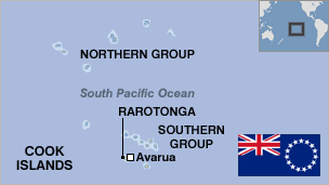
Geography > Note the northern Cook Islands are seven low-lying, sparsely populated, coral atolls; the southern Cook Islands, where most of the population lives, consist of eight elevated, fertile, volcanic isles, including the largest, Rarotonga, at 67 sq km |
|
Land use > Arable land
|
16.67 %
|
|
[74th of 241]
|
|
Land use > Other
|
75 %
|
|
[176th of 241]
|
|
Land use > Permanent crops
|
8.33 %
|
|
[40th of 241]
|
Location Oceania, group of islands in the South Pacific Ocean, about one-half of the way from Hawaii to New Zealand |
Map references Oceania |
Maritime claims > Continental shelf 200 nm or to the edge of the continental margin |
|
Maritime claims > Exclusive economic zone
|
200 nm
|
|
[42nd of 121]
|
|
Maritime claims > Territorial sea
|
12 nm
|
|
[39th of 190]
|
Natural hazards typhoons (November to March) |
|
Natural resources
|
NEGL |
|
|
|
Population density
|
84.17 people per sqkm |
|
[107th of 256]
|
|
tallest mountains > Mountain
|
Te Manga |
|
|
Terrain low coral atolls in north; volcanic, hilly islands in south |